 Difio
How a Difio level is made
Updated:
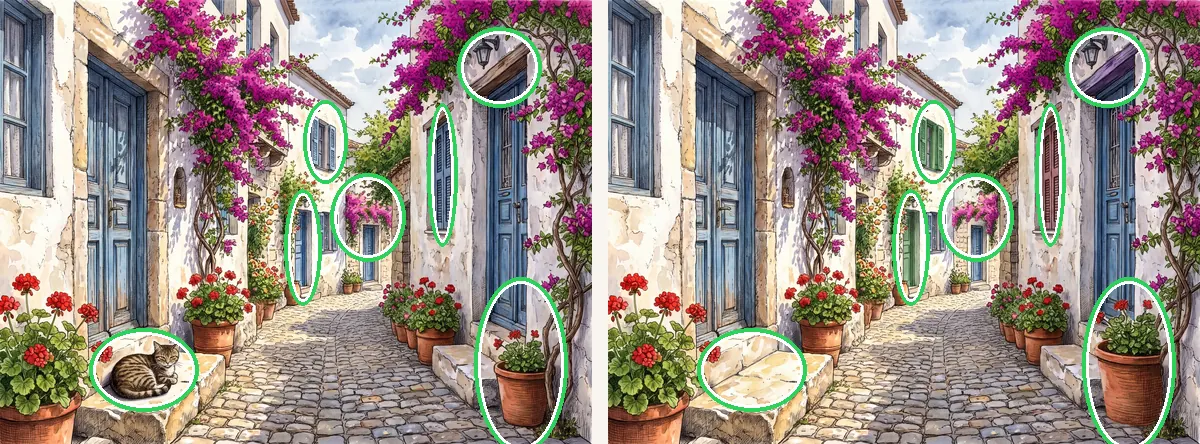
Every Difio level is two pictures with exactly seven differences. Making sure there really are seven, that you can see all of them and that nothing else has changed takes a few steps. This is how a level goes from an idea to your screen.
1. A scene full of details
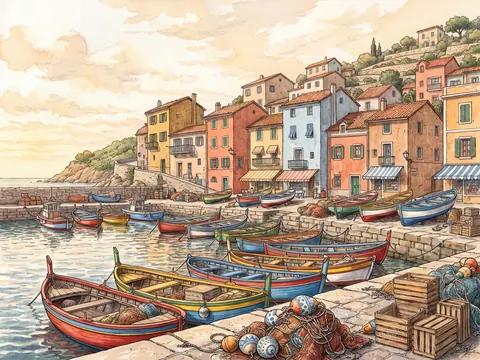
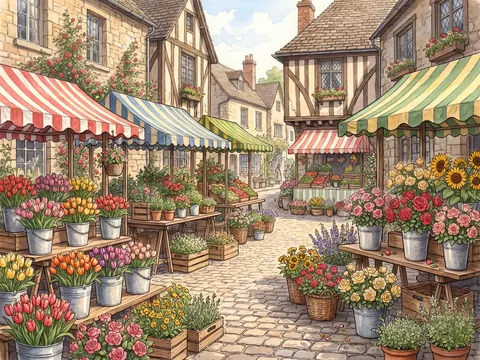
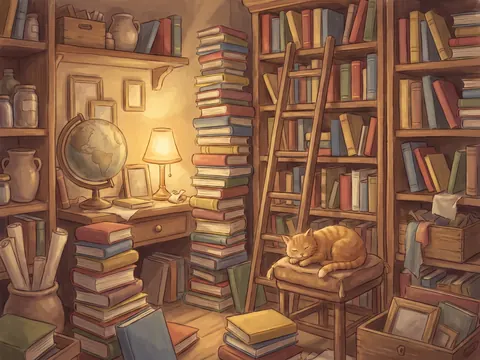
It all starts with an illustration: a cosy corner, a village with character or a scene under the sea, with plenty of objects spread over the whole picture and few empty areas. The illustrations are created with the help of artificial intelligence tools and are 1600 × 1200 pixels, large enough to zoom in on any detail.
2. Choosing what will change
Software finds the objects in the scene and picks good candidates for a difference: things you can recognise, that aren't cut off by the edge or hidden behind something else, and that leave room for a change that makes sense. Some extra candidates are kept in reserve in case a change doesn't turn out well.
3. Changes only where they belong
Each change, whether a new colour, a replaced object, a missing one, a different size or a mirror image, is made on a small cut-out around the object and pasted back only inside its area. Outside those seven areas, the second picture is identical to the first, pixel for pixel. That is why Difio never has accidental differences.
4. Counting the changes
A program then compares the two finished pictures and counts the areas that have changed. The level only moves on if there are exactly seven, each one matches one of the planned changes, it is large and contrasting enough to be seen, and none of them has spread further than it should. If something fails, that change is redone or replaced by a reserve.
5. A second look at every difference
Each pair of «before» and «after» close-ups is reviewed automatically to check that the change can be seen at a glance and looks natural, without seams, smudges or deformed objects. The ones that don't pass are replaced. This step also produces the hint for each difference, for example «Look at the shutters on the right-hand house».
6. Tap zones and difficulty
The tap zone is an ellipse around the area that actually changed, with some margin. Each zone also has a minimum radius of 22 points on screen, so a small difference doesn't require perfect aim. The difficulty of each difference is estimated from its size, its contrast, its type and how much detail surrounds it, and from those the level gets its rating: easy, medium or hard.
7. A person checks it
Before a level is published, a person looks at both pictures with the seven zones marked and at close-ups of each change, and can reject any difference that doesn't convince them. A rejected difference is replaced by another one and the rest of the level stays as it was.
8. Publishing
Approved levels are published on Difio's server and the app downloads them by itself: new scenes arrive regularly without updating the app. A published level never changes. If it has to be corrected, it is published as a new version.
Your data stays out of it
The whole process happens before a level is published and uses none of the players' data, as the privacy policy explains. The game itself doesn't use artificial intelligence while you play: it only shows the pictures and checks your taps against the seven zones.
Want to see the result in action? Read about the five types of differences or play a level right now.